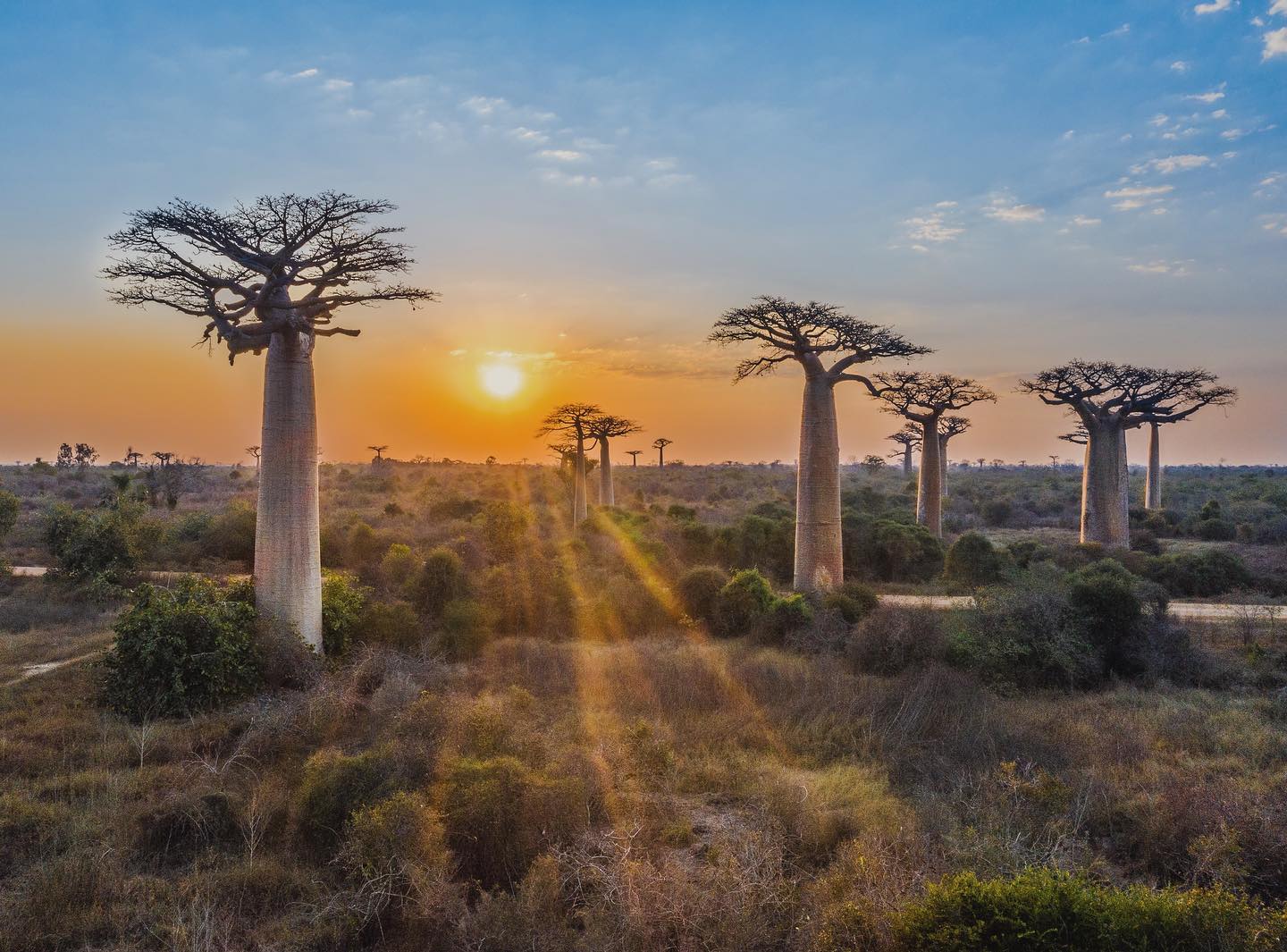
Madagascar stands as the world's fourth-largest island, a vast expanse of natural wonder in the Indian Ocean off the southeastern coast of Africa. It is a land of extraordinary range — lush rainforest gives way to spiny desert, extensive coral reef fringes volcanic highland, and almost everywhere in between hosts wildlife found nowhere else on the planet.
For travellers used to thinking of Madagascar purely as a wildlife destination, the island's human story is just as striking. Human settlement here dates back roughly 1,500 years, beginning with voyagers who crossed the Indian Ocean by canoe from regions near what is now Borneo — a migration that shaped a culture unlike anywhere else on the African continent.
A Culture Built From Three Oceans
Madagascar's cultural identity blends Austronesian roots with African, Arab and French influence, producing a heritage as layered as its ecology. Malagasy and French are the island's official languages, spoken across a population of more than 27 million people, over 2 million of whom live in the capital, Antananarivo.
That blend is visible everywhere from architecture to cuisine to the ancestral customs — fady, or taboo — that still govern daily life in many regions, particularly around the island's sacred sites and royal lineages.
Madagascar by the Numbers
Where to Go: The Far North
While most Madagascar itineraries route through the central highlands or the well-trodden south, the island's far north — around Nosy Be and the private islands beyond it — offers a different kind of visit entirely: reef, rainforest and Sakalava heritage within a single short flight, and increasingly, a genuine private oasis in the form of islands like Nosy Ankao.
It's a part of Madagascar built for travellers who want the island's biodiversity and culture without the long overland transfers that define more conventional itineraries — read more about Nosy Ankao here.
Planning a Visit
Most private itineraries to Madagascar's north combine a stay on a private island with day excursions into Sakalava heritage sites, vanilla and ylang-ylang plantations, and the reef systems just offshore — all considerably easier to arrange with a private charter than a conventional domestic flight schedule allows.
For travellers building a longer circuit, Madagascar increasingly pairs naturally with Mozambique's Bazaruto Archipelago — two private oases joined by a single private flight.