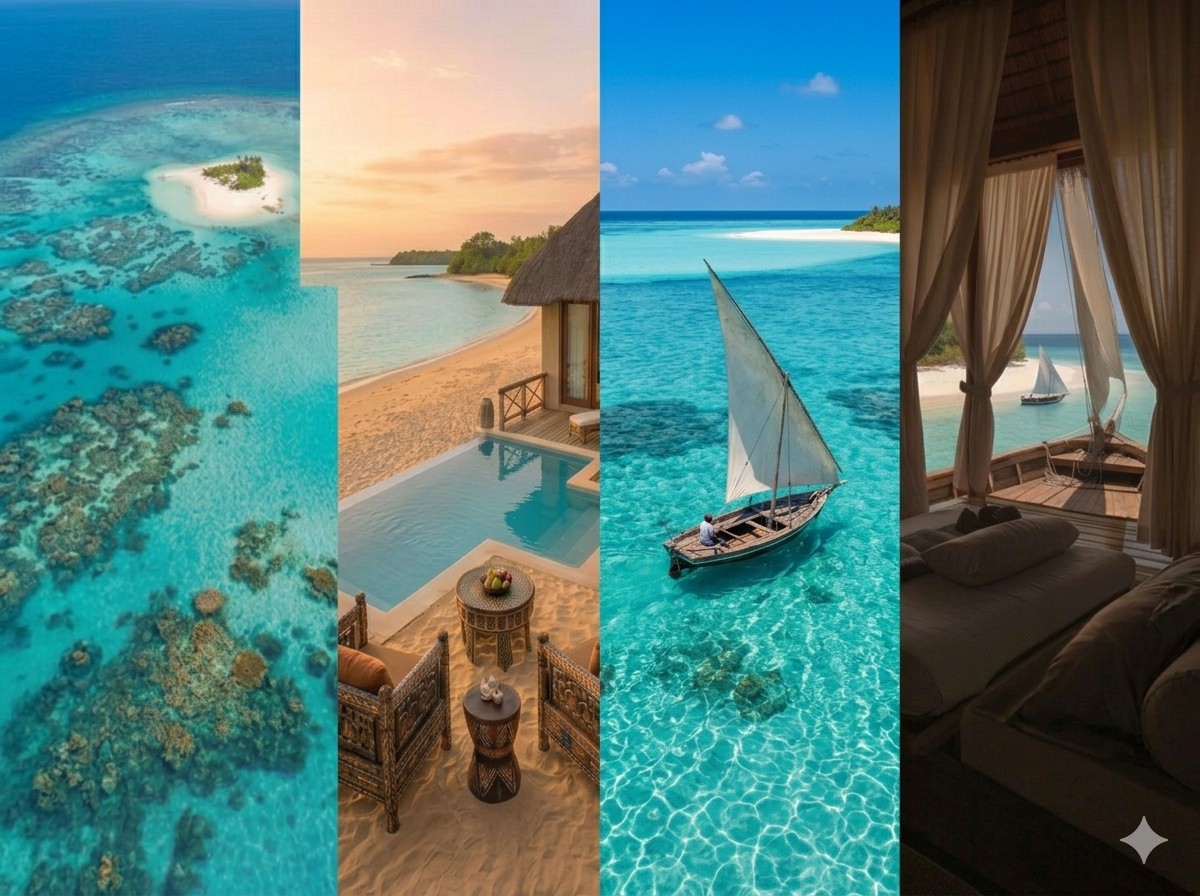
Salt & Culture — Ten Nights Between Benguerra Island, Mozambique and Nosy Ankao, Madagascar
Ten nights. Two private islands. One private flight between them — from a salt-built sanctuary in Mozambique's Bazaruto Archipelago to a lemur-watched shore in Madagascar's far north.
The Salt & Culture journey is a ten-night, invitation-only itinerary connecting Benguerra Island in Mozambique's African Parks-protected Bazaruto Archipelago with Nosy Ankao, a private island off Madagascar's far north — every leg flown privately, never more than eight guests.
This is not a circuit built around a checklist of destinations. It is two of the Indian Ocean's most private islands, joined into a single journey by private aircraft — pristine habitats of extraordinary ecological diversity, one shaped by salt, the other by culture, both shaped, ultimately, by the people who call them home.
-
Ten Nights
Two Private Islands -
One Private Flight
Between Every Leg -
An Intimate Circle
Never More Than Eight -
By Invitation
Private, Always
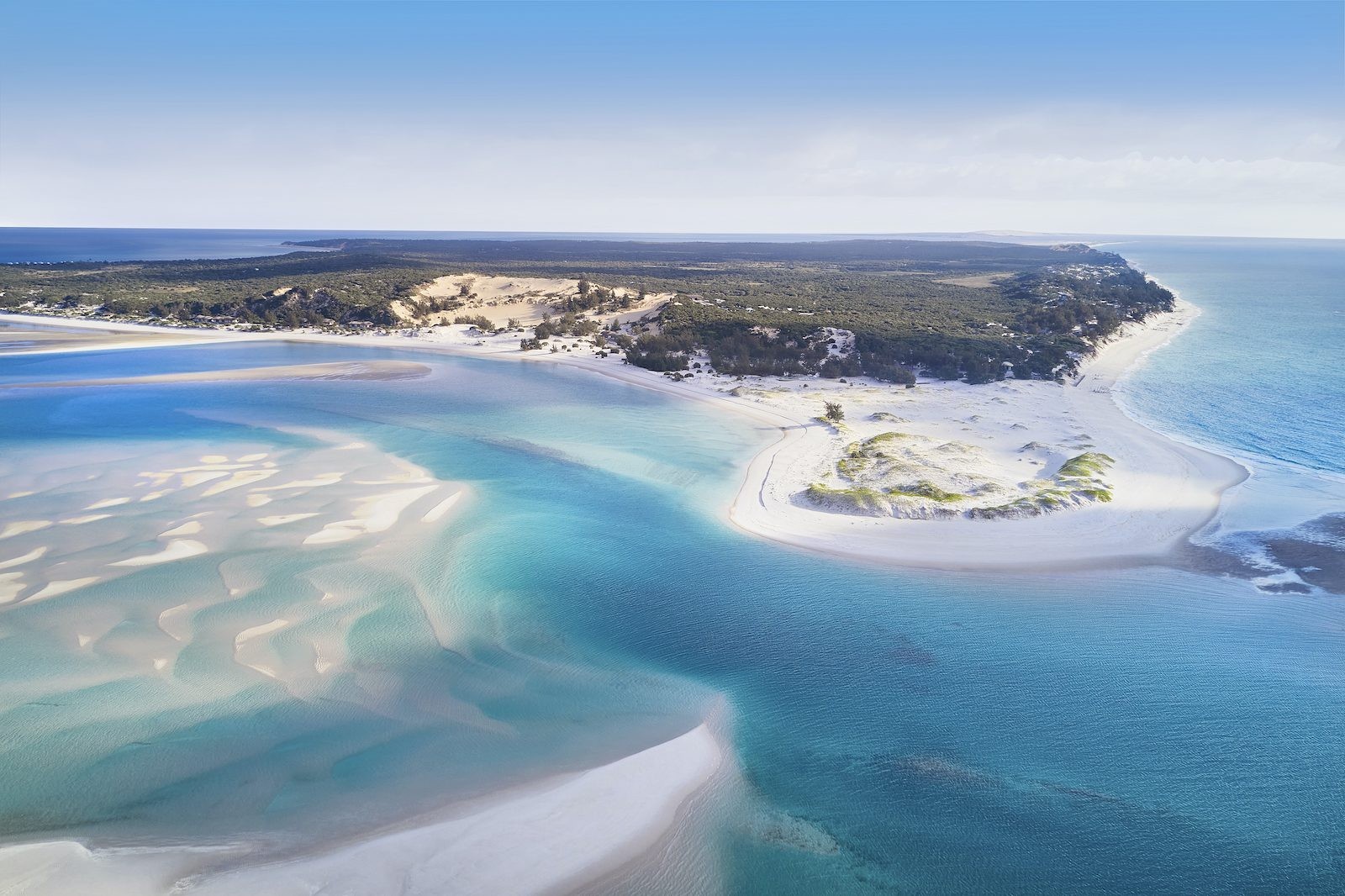
Benguerra Island — What is Benguerra Island, Mozambique like?
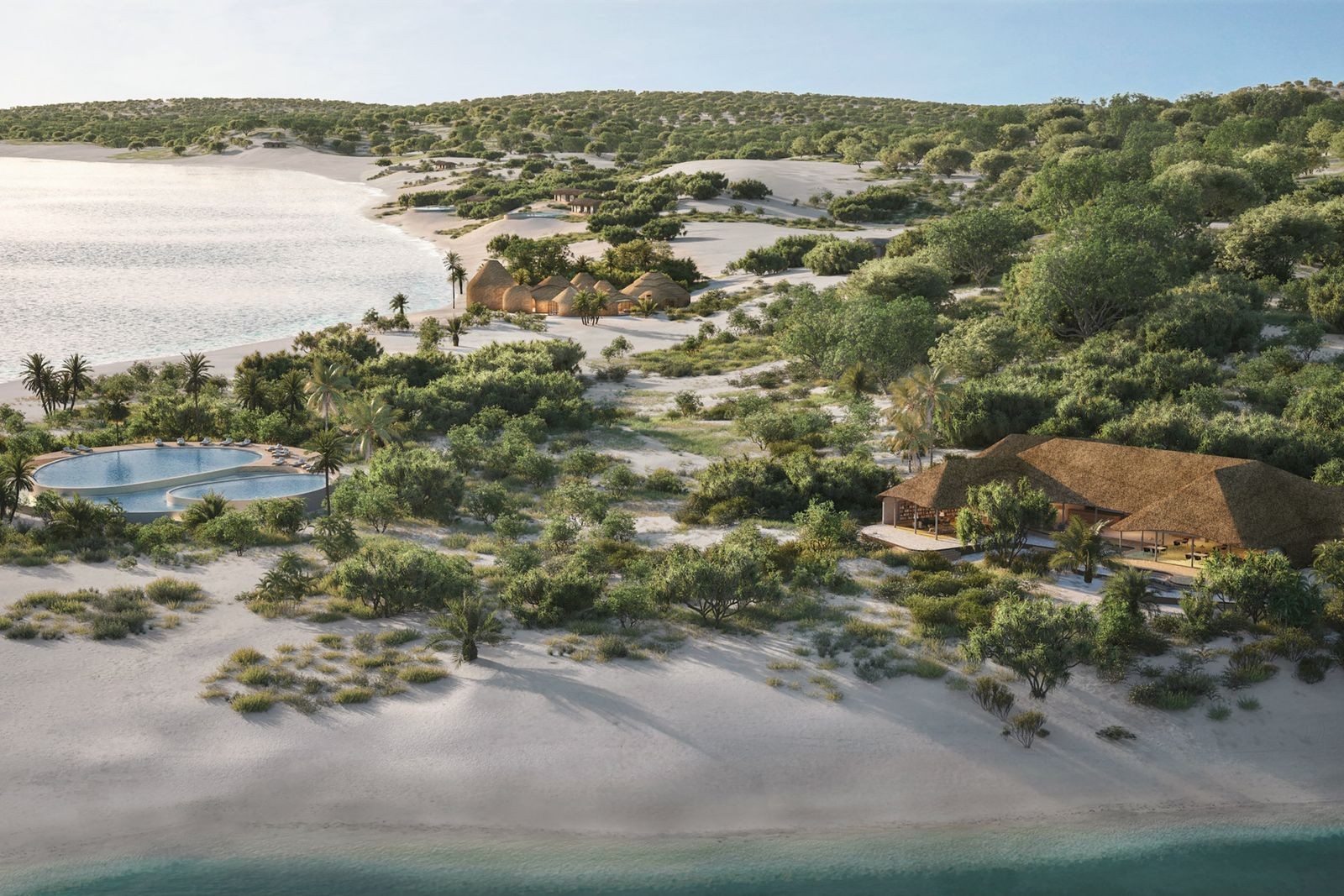
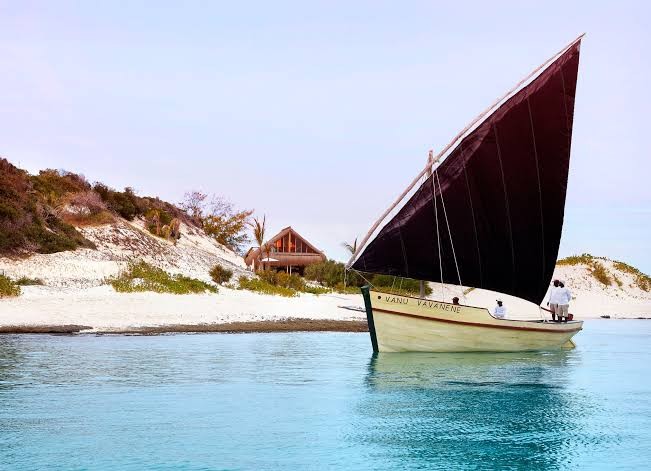
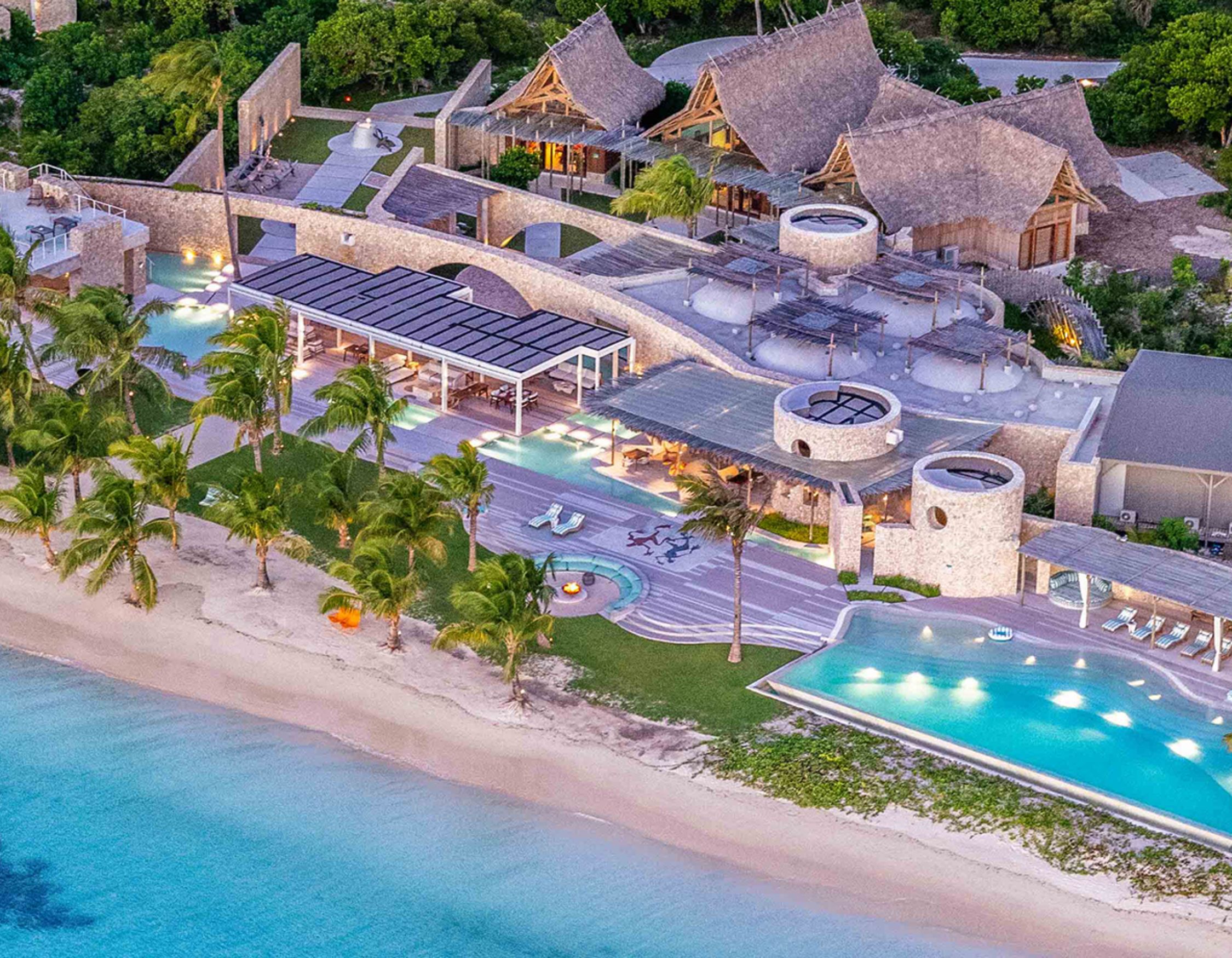
The private sanctuary on this island is built, quite literally, from the sea. Its residences are formed using a patented 3D-printing process that fuses sand with seawater into a natural mortar — a technique replacing heavy machinery and conventional cement with something closer to sculpture than construction. The result reads less like a resort and more like something that grew out of the dunes themselves, salt and sand set into walls that hold the shape of the coastline around them.
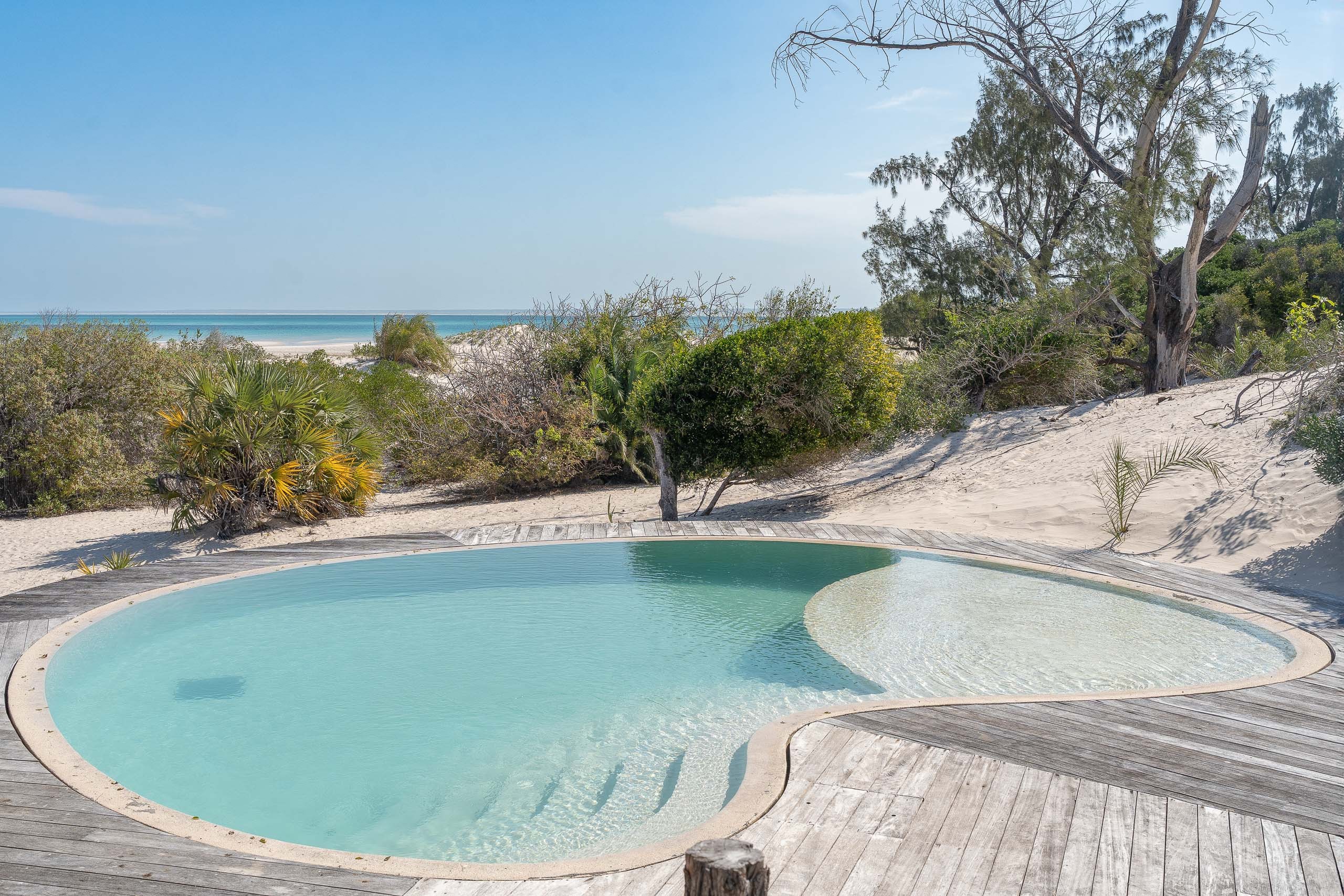
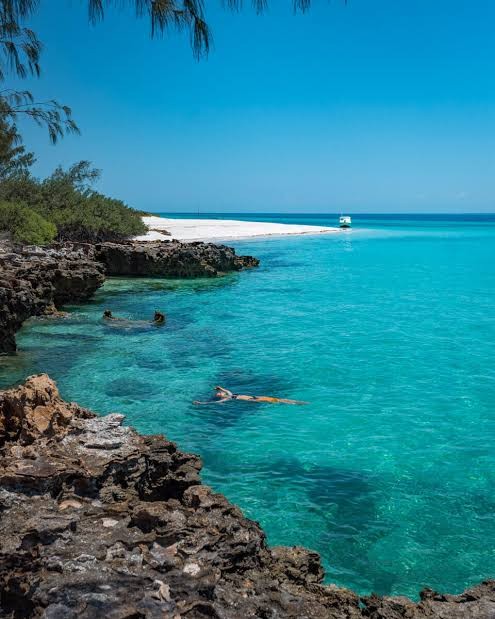
Just eight private residences sit across 300 hectares of forest, dune and beach, each with its own infinity pool, private stretch of coastline, and dedicated service team — the kind of scale that makes "private" a literal description rather than a marketing word.
21°51'S 35°25'E
Salt & Sand
Fynbos Youth Elixir
- Rich in aspalathin, an antioxidant unique to the fynbos
- Supports collagen and natural skin elasticity
- Encourages healthy microcirculation for a lit-from-within quality
- Free from fillers, preservatives, or added sugars
First light, alone, before the rest of the household stirs — a private investment in how the years will show.
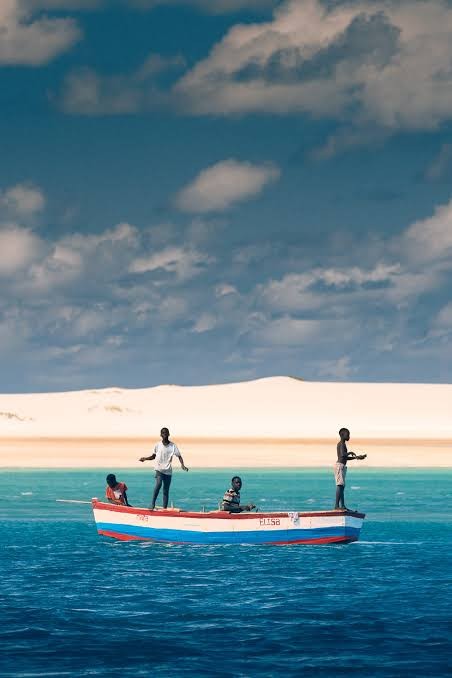
Every roof and hand-woven thread here carries Benguerra's own hand — artisans whose craft has shaped this coastline for generations.
Spend an afternoon with them, and the island's story becomes part of yours.
A private flight between worlds
Guests transfer between the two islands by private aircraft, arranged entirely around your schedule — the only way, fittingly, to reach either place at all.
Nosy Ankao — What is Nosy Ankao, Madagascar like?
Where Benguerra is shaped by salt, this island is shaped by story. Fourteen private villas sit across Nosy Ankao, an island shared — deliberately, unusually for a private island of this calibre — with two local fishing villages, lending it a lived-in authenticity that fully private islands rarely offer. Its architecture leans on classic Malagasy craftsmanship: hand-dyed textiles in the turquoise of the surrounding lagoon, Madagascan hardwood, natural stone.
Arrival is its own event — a helicopter transfer over rainforest, kite-surfing coastline and lagoon, the air through the open window already carrying ylang-ylang and vanilla from the plantations below, before you ever set foot on the ground. You land on an island that shares its waters with humpback whales in season and its forests with some of the rarest lemurs on Earth — scent, then story, then shore.

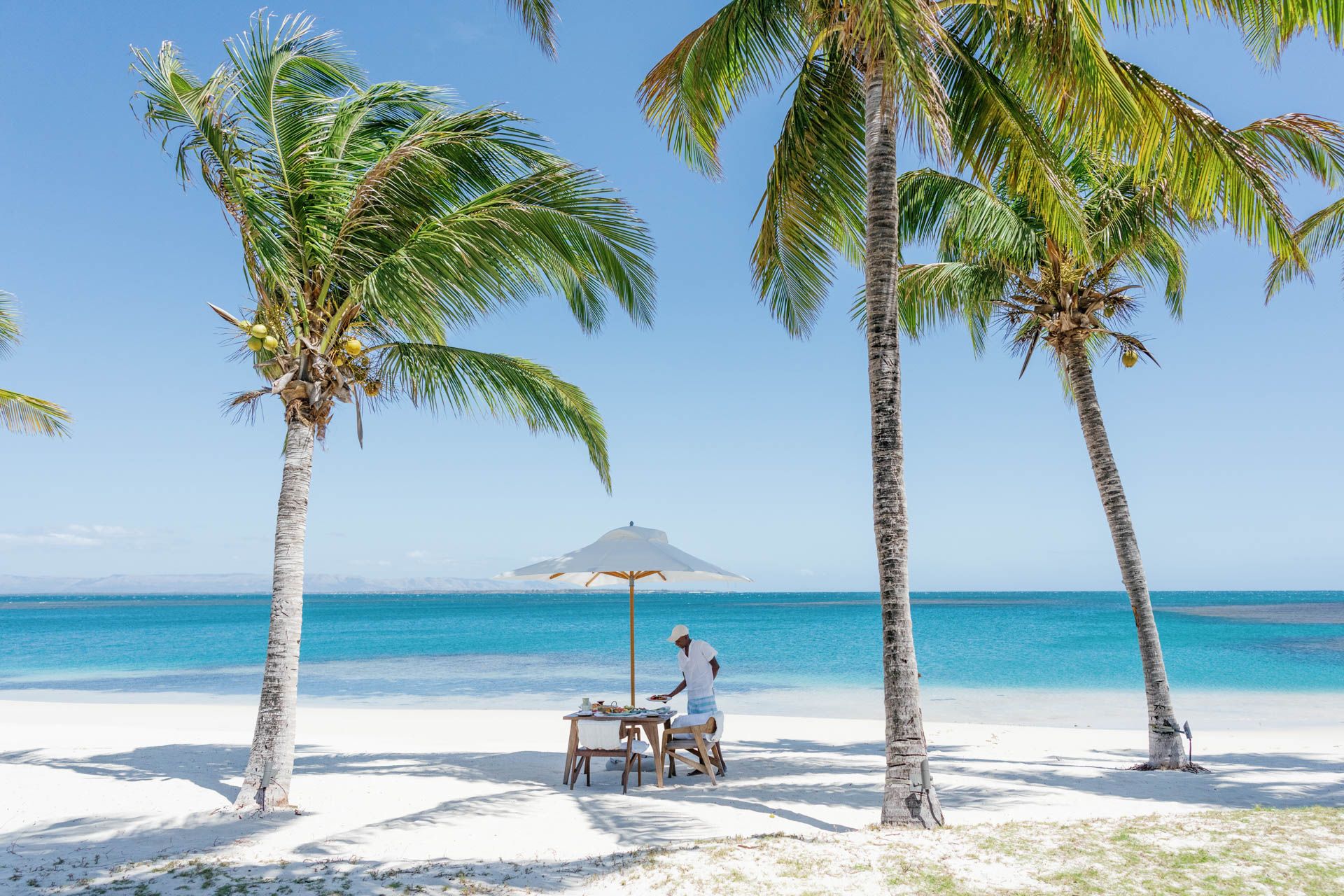
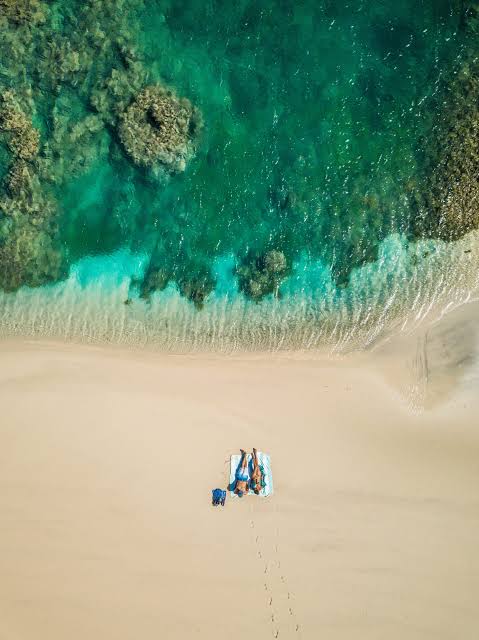
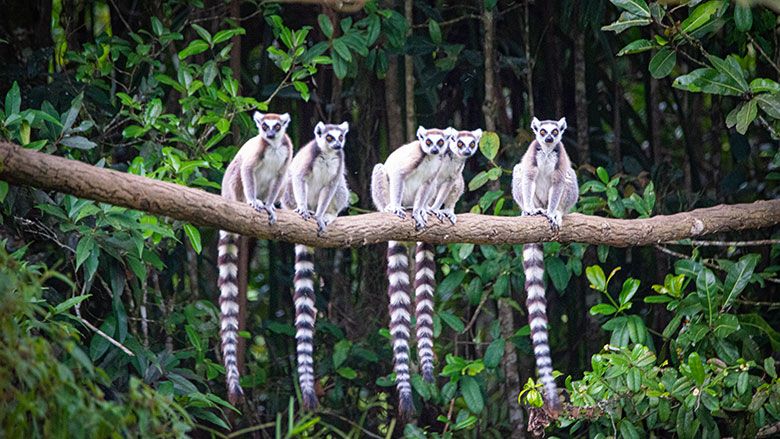
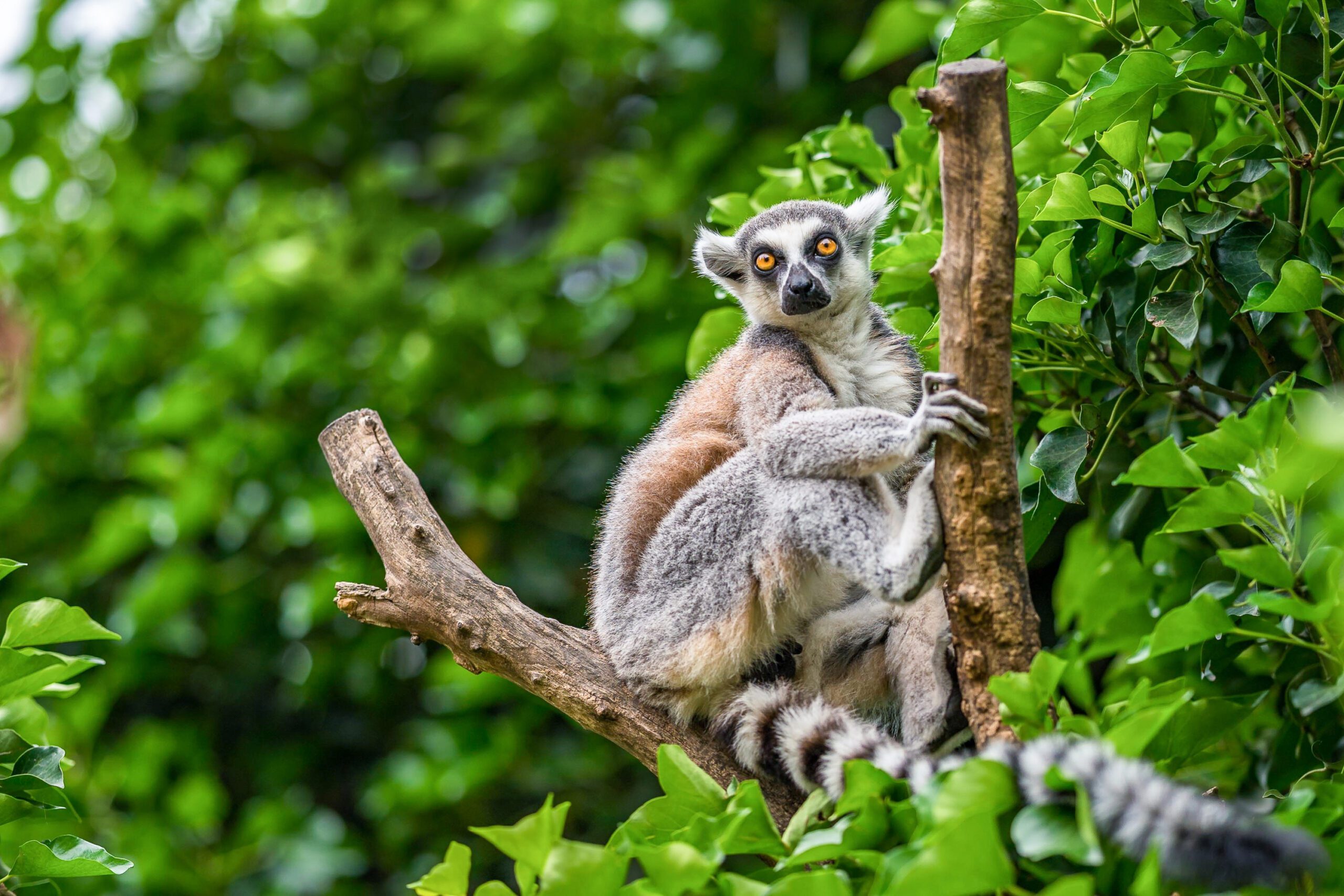
Lemurs, Reef & Lagoon
Root of Renewal
- A traditional root tea, drawn from one of sub-Saharan Africa's deepest botanical traditions
- Eases the stress and cortisol load that disrupts the body's natural hormonal rhythm
- Supports reproductive and hormonal vitality, brewed slow and taken warm
- Free from fillers, preservatives, or synthetic additives
Brewed low in the evening quiet, the lagoon settling into dark outside — a private restoration, taken slowly, cup in hand.
Two fishing villages share this island with you. A guided visit brings their history, their beliefs and their daily rhythm into your stay — never staged, always real.
Ask us to arrange time with them.
The Sacred Side of Nosy Be
A short flight from Nosy Ankao lies an archipelago that announces itself before you ever see it — the scent of ylang-ylang and vanilla drifting through the cabin as the aircraft descends, sweet and green and utterly unmistakable. Nosy Be is the world's ylang-ylang capital, its hillsides thick with flowering trees and vanilla vines grown for perfume houses half a world away, and that first breath of the island is a welcome no beach view can quite match. Beneath the resort ease that scent perfumes is something far older still — the ancestral heartland of the Sakalava Bemazava, where daily life moves to the rhythm of sacred taboo, royal pilgrimage, and a five-hundred-year-old trade route written in stone. It is a day trip unlike any other on this journey — and one we build only by request, never as a default.
-
01 · SACRED SITE
The Great Banyan of Mahatsinjo
A Sakalava queen planted this tree in 1836. Two centuries on, its canopy shades over 5,000 square metres and still receives her descendant's annual pilgrimage — zebu offered, blessings sought. You enter barefoot, legs wrapped in a traditional lamba at the gate.
-
02 · SACRED SITE
The Hidden Waterfall
Deep in the forest, a cascade held in near-permanent hush — visited for quiet prayer and offering far more often than for photographs. Reverence, here, is the entry fee.
-
03 · SACRED PEAKS
Where the Ancestors Rest
Mount Passot's volcanic crater and the mountain above Nosy Sakatia are both said to hold ancestral spirits. Custom asks for bare heads and lowered voices — a rare kind of stillness for a private island escape.
-
04 · HERITAGE
Marodoka, First Among Villages
Nosy Be's original settlement — a 15th-century Swahili trading port where Arab and Indian merchants once anchored. Its stone ruins and a working ylang-ylang still remain, the air around them still faintly perfumed.
-
05 · PORT TOWN
Hell-Ville's Grand Bazar
French colonial façades open onto a market thick with vanilla, spice and hand-woven craft, tuk-tuks threading the crowd — a living, working counterpoint to island seclusion.
-
06 · THE FIRST WELCOME
Walking the Plantations
Beyond the airstrip, the source of that scent reveals itself — ylang-ylang trees and vanilla vines grown across working plantations that supply perfume houses worldwide. Ask us to arrange a walk through one, ending with the distillery itself.
Ask us to weave a day among Nosy Be's sacred sites into your Salt & Culture journey.
Two Islands, Side by Side — How do Benguerra Island and Nosy Ankao compare?
| Detail | Benguerra Island, Mozambique | Nosy Ankao, Madagascar |
|---|---|---|
| Setting | African Parks-protected Bazaruto Archipelago Marine Park, southern Mozambique | Private island archipelago off Madagascar's far north-eastern coast |
| Coordinates | 21°51'S 35°25'E | 12°46'S 49°30'E |
| Accommodation | 8 private residences across 300 hectares, each with its own infinity pool and private coastline | 14 private villas across a 2,500-acre private archipelago |
| Defining character | Shaped by salt — residences 3D-printed from sand and seawater in place of conventional cement | Shaped by culture — Malagasy craftsmanship, two resident fishing villages, five lemur species |
| Arrival | Private flight | Helicopter transfer over rainforest, coastline and lagoon |
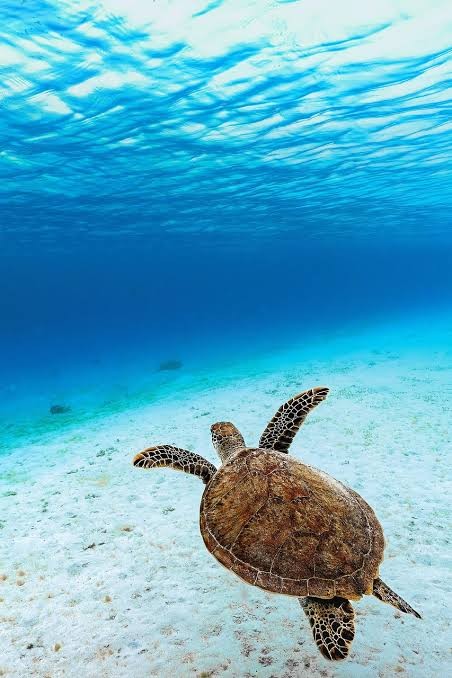
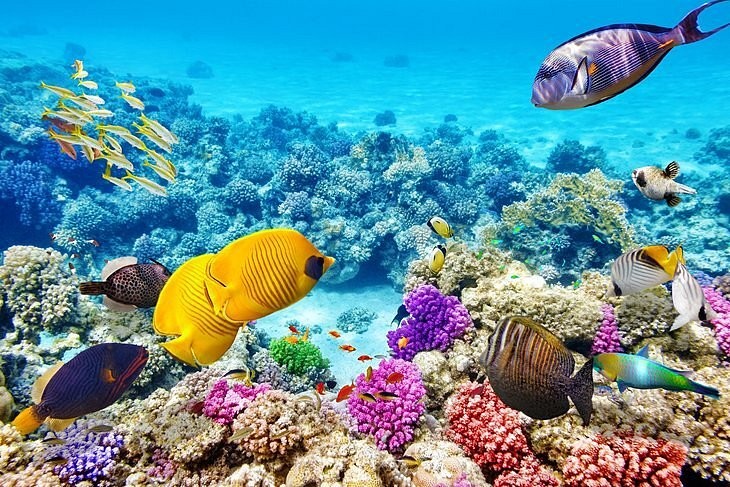
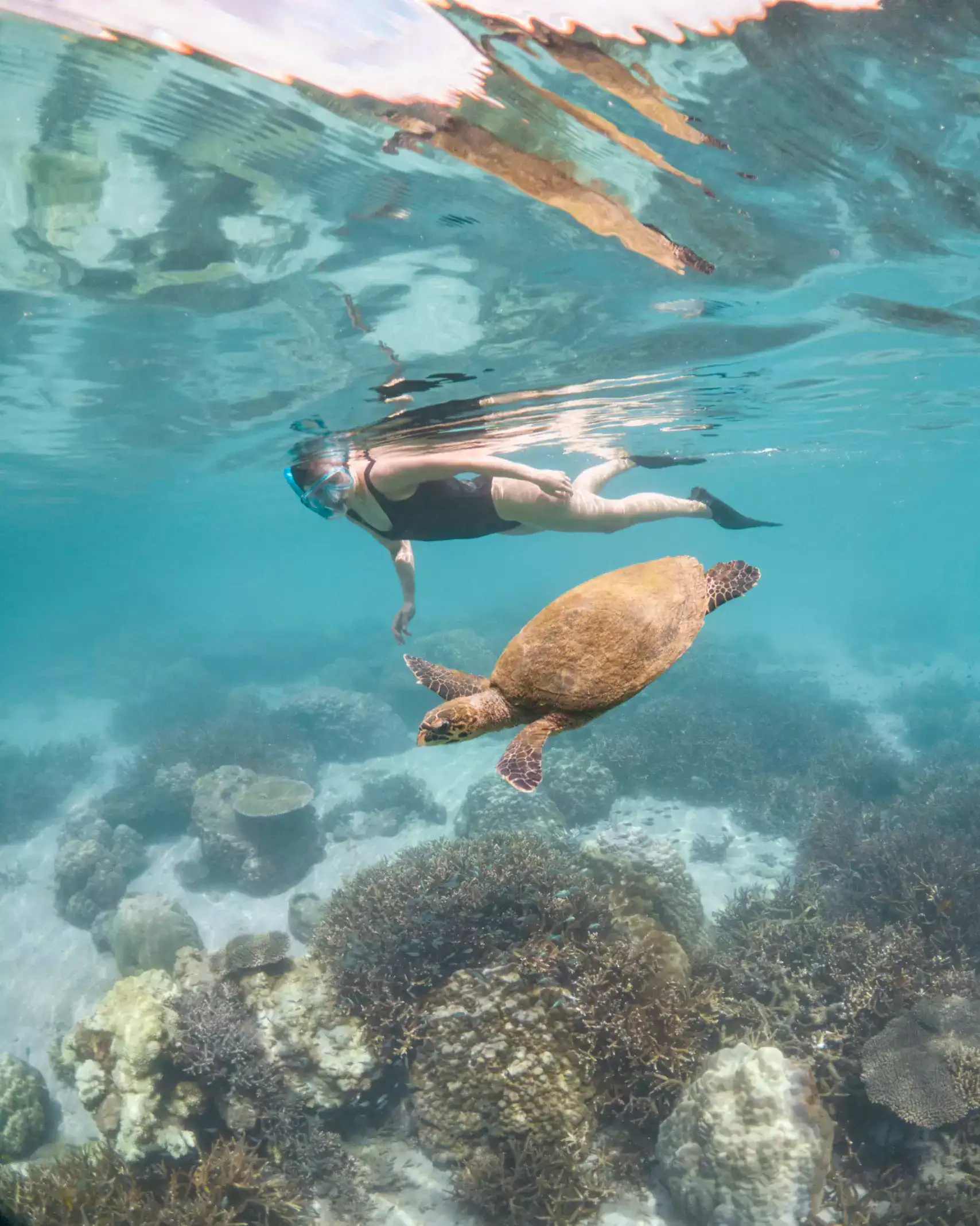
| Wildlife | Sea turtles, coral reef and marine life of the Bazaruto Marine Park | Five lemur species onsite; humpback whales in surrounding waters in season |
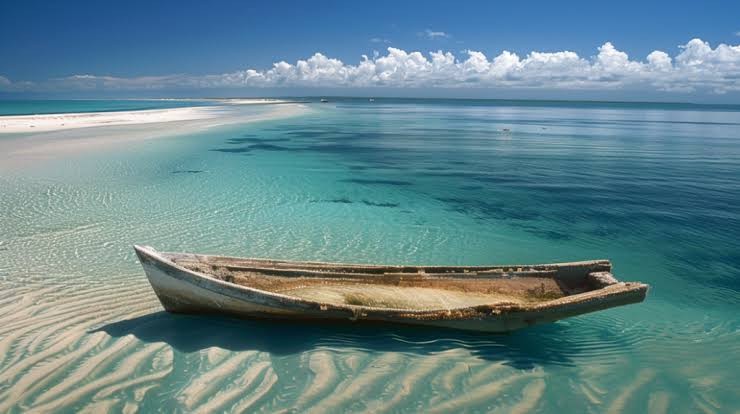
| Beyond the island | Dhow sailing, snorkelling, artisan visits on Benguerra | Optional day among Nosy Be's sacred sites and ylang-ylang plantations, by request |
Questions, Answered
What is the Salt & Culture journey?
A ten-night private island itinerary by Elementa Africa connecting Benguerra Island in Mozambique's African Parks-protected Bazaruto Archipelago with Nosy Ankao, a private island off Madagascar's far northern coast. Every leg is flown privately, the journey hosts a maximum of eight guests, and it is arranged by invitation only.
Where is Benguerra Island, and what makes it unique?
Benguerra Island lies within the Bazaruto Archipelago Marine Park off southern Mozambique, at roughly 21°51'S 35°25'E. Its private sanctuary holds just eight residences across 300 hectares of forest, dune and beach — each with its own infinity pool and stretch of coastline — built using a patented 3D-printing process that fuses sand with seawater into a natural mortar in place of conventional cement.
Where is Nosy Ankao, and what wildlife lives there?
Nosy Ankao is a 2,500-acre private island archipelago off the far north-eastern coast of Madagascar, at roughly 12°46'S 49°30'E. It holds fourteen private villas, five resident lemur species, and two local fishing villages that share the island. Humpback whales pass through its waters in season, and arrival is by helicopter over rainforest and lagoon.
How do you travel between Mozambique and Madagascar?
Every leg of the Salt & Culture journey is flown privately. The transfer between Benguerra Island and Nosy Ankao is a dedicated private flight arranged entirely around your schedule — the only practical way to connect two islands that no scheduled route serves directly.
Can a visit to Nosy Be's sacred sites be included?
Yes. A day among Nosy Be's sacred and heritage sites — the Great Banyan of Mahatsinjo, the 15th-century trading village of Marodoka, Mount Passot's ancestral crater, Hell-Ville's Grand Bazar, and working ylang-ylang and vanilla plantations — can be woven in by request as a short flight from Nosy Ankao. Only ever by request, never as a default.
Can I combine a private island stay in Mozambique with one in Madagascar?
Yes — that's exactly what this journey is built for. Rather than choosing one island destination, it links a private sanctuary on Benguerra Island in Mozambique with a private island archipelago at Nosy Ankao in Madagascar, joined by a single dedicated private flight, so both are experienced as one continuous ten-night journey rather than two separate bookings.
What's the difference between booking each island separately and taking this journey?
Booking Benguerra Island and Nosy Ankao independently means arranging separate international connections, separate ground and air logistics, and no continuity between the two stays. Salt & Culture removes that friction: one point of contact plans the entire itinerary, the private flight between islands is timed around you rather than a fixed schedule, and the pacing, cultural inclusions and rituals are designed as a single ten-night arc.
Is Mozambique or Madagascar better for a private island escape?
They offer different strengths rather than one being objectively better. Benguerra Island is defined by marine life, coral reef and a sand-built sanctuary architecture. Nosy Ankao is defined by lemur-rich rainforest, Malagasy craftsmanship and shared island life with local fishing villages. This journey is designed around not having to choose between them.
How do I request this journey?
By invitation, through Elementa Africa. Each departure is built privately for a single party of no more than eight guests, with dates, pace and cultural elements shaped around the travellers. Request an invitation to begin.
Last updated · July 2026
Salt built one island. Culture built the other.
Ten nights, entirely private, connecting two of the rarest islands left on the Indian Ocean.
Request an Invitation