Most safari destinations sell themselves on abundance that's always been there. Gorongosa National Park in central Mozambique sells something rarer: a wildlife population that was almost entirely wiped out, and a decades-long, ongoing project to bring it back — a story most travellers to Africa have simply never heard, because until recently there was very little left in Gorongosa to see it with.
What actually happened here
Mozambique's long civil war, which ran from 1977 to 1992, devastated Gorongosa's animal populations — large mammal numbers dropped by as much as 90% as fighting moved through the park and wildlife was hunted for food and to fund the conflict on both sides, according to a peer-reviewed study of the park's wildlife counts. By the early 2000s, Gorongosa was a park in name more than substance, its once-abundant plains largely emptied out.
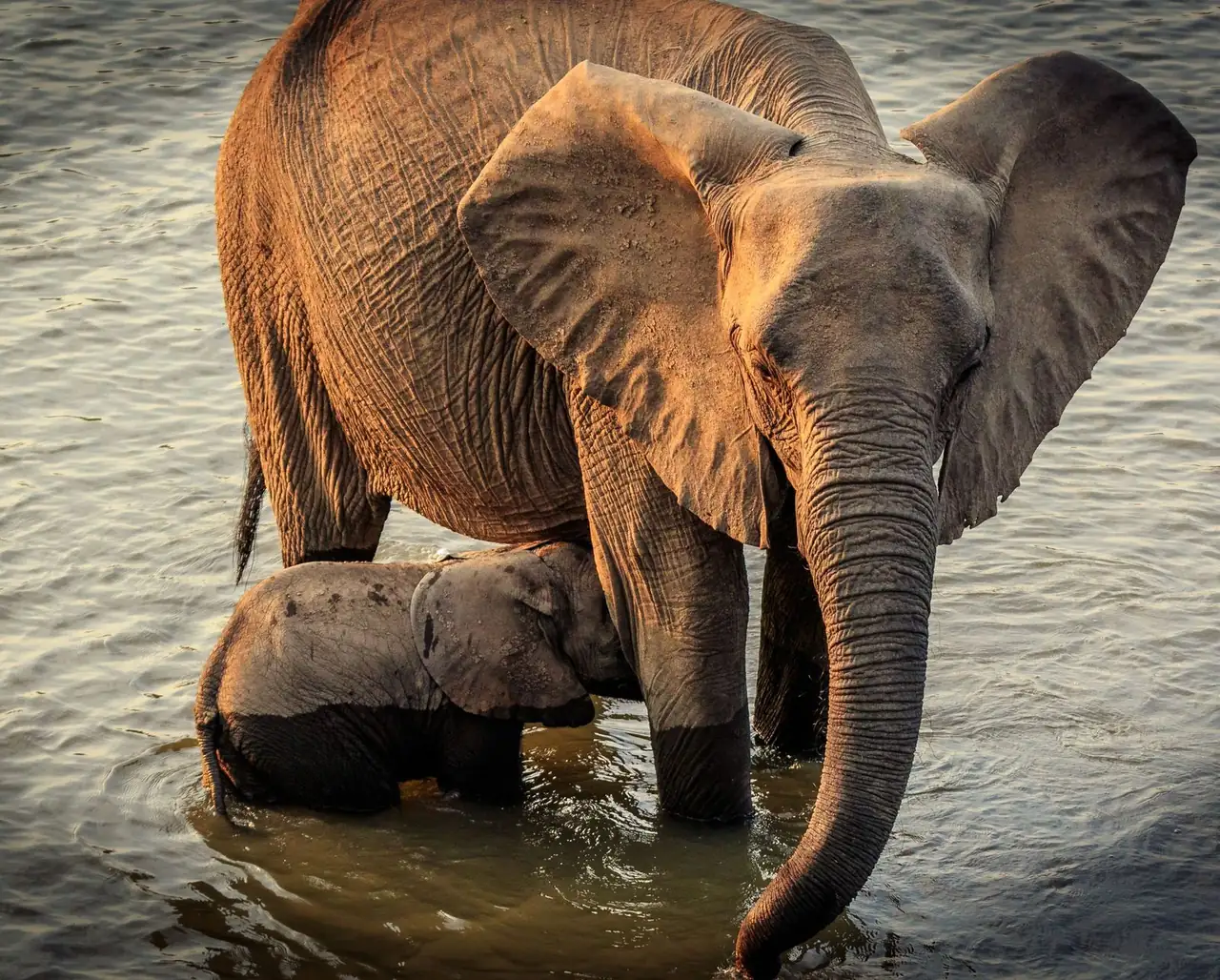
What's happened since is the actual story worth knowing before you visit: a large-scale, science-led restoration effort — anchored by American philanthropist Greg Carr's partnership with the Mozambican government — that has spent over two decades rebuilding the ecosystem from population reintroduction, anti-poaching enforcement, and genuine, sustained community investment. Elephant numbers have grown from roughly 200 to close to 1,000. Lion, wild dog, and large antelope populations are recovering steadily. It's an active, ongoing project, not a finished restoration — and that's precisely what makes visiting different from a standard safari.
What this means for an actual visit
A game drive in Gorongosa isn't narrated the way a game drive in, say, the Serengeti is narrated — because the story here isn't just "here's what's living in this ecosystem," it's "here's what we brought back, and how." Guides at Gorongosa are often deeply embedded in the restoration project itself, and it's genuinely possible to visit the E.O. Wilson Biodiversity Lab, meet researchers cataloguing species recovery in real time, or spend time with the Pangolin Project team working to protect one of the world's most heavily trafficked mammals.
This makes Gorongosa a fundamentally different kind of safari experience — less about maximizing sightings of already-abundant wildlife, more about understanding, in granular and personal detail, what it actually takes to bring an ecosystem back from the edge.
Why so few travellers know this
Gorongosa doesn't have Kenya or Tanzania's decades of safari-tourism marketing infrastructure behind it, and Mozambique generally sits outside the "classic" East and Southern Africa safari circuit most first-time travellers default to. That's beginning to change as the restoration story gains wider attention — but for now, Gorongosa remains one of the least-visited, least-known parks with a genuinely world-class conservation story behind it.
Who this is actually right for
Gorongosa rewards travellers who want their safari to include a real story, not just a wildlife checklist — people who'd rather spend an evening hearing directly from someone who lived through the restoration than simply tallying species seen. If that's the kind of depth you're after, it's difficult to find anywhere else on the continent offering quite the same thing.
Frequently Asked Questions
What happened to Gorongosa National Park during Mozambique's civil war? The war, which ran from 1977 to 1992, devastated the park's wildlife — large mammal numbers dropped by as much as 90%, according to a peer-reviewed study of the park's wildlife counts.
How has Gorongosa been restored? Through a large-scale, science-led restoration effort anchored by American philanthropist Greg Carr's partnership with the Mozambican government, spanning over two decades of population reintroduction, anti-poaching enforcement, and community investment. Elephant numbers alone have grown from roughly 200 to close to 1,000.
Who is a Gorongosa safari best suited for? Travellers who want their safari to include a real story, not just a wildlife checklist — people who'd rather hear directly from someone who lived through the restoration than simply tally species seen.