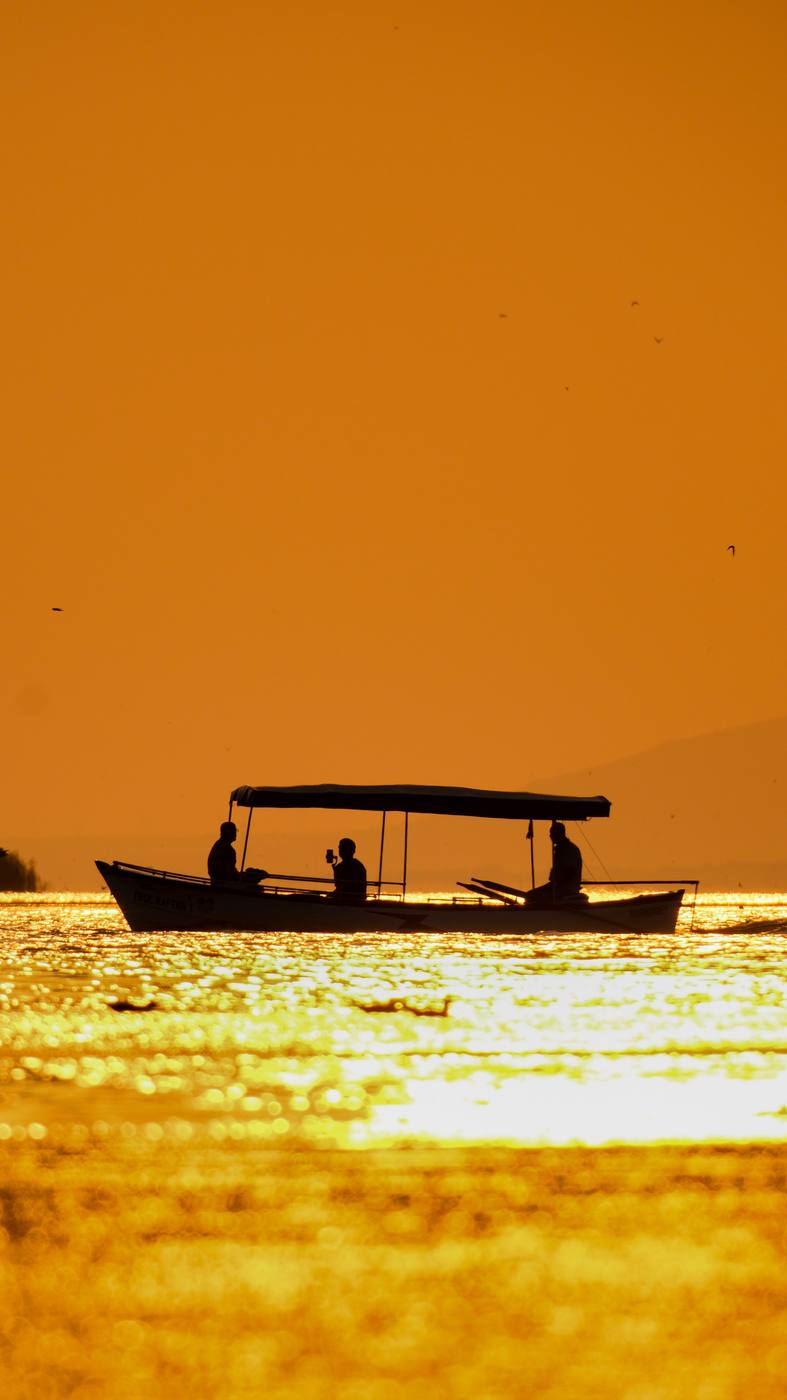
The standard advice for ending a long African safari is to add a beach extension — Zanzibar, Mozambique's coast, the Seychelles. All genuinely lovely options. Lake Malawi rarely makes that shortlist, and it's worth asking why, because on paper it should be one of the more obvious choices available.
What Lake Malawi actually is
Lake Malawi is the third-largest lake in Africa and the ninth-largest in the world by surface area (and the fourth-largest by volume), stretching along most of Malawi's eastern border. It holds more fish species than any other lake on Earth — including hundreds of colourful, often endemic cichlid species that make its waters some of the best freshwater snorkelling anywhere in the world. It's warm, calm, and functionally ocean-sized without a single wave breaking in most sheltered bays, which makes it an unusually gentle place to simply float.
Why it works so well as a safari-ending
The specific value of Lake Malawi as a closing stop isn't just that it's beautiful — plenty of places are. It's the contrast. After days of dawn wake-up calls, dust, vehicle transfers, and the particular alertness that safari travel demands, arriving somewhere with genuinely nothing on the agenda does something a beach that's merely pretty doesn't necessarily do. There's no vehicle involved in a Lake Malawi stay. No 5:30am wake-up call. The rhythm shifts entirely to paddle, boat, and open water — a completely different physical experience from the rest of a safari circuit, which is precisely the point of ending there rather than adding one more wildlife-viewing stop.
What there actually is to do
Lake Malawi rewards slow days more than packed itineraries: kayaking calm coves at your own pace, full-day boat cruises with stops to snorkel over granite boulders alive with cichlids, wandering lakeside markets and fishing villages that have operated largely unchanged for generations, and a food culture built around whatever's fresh and locally grown rather than flown in. For travellers who want a genuine close to a longer, more physically demanding circuit, it's difficult to overstate how different this pace feels from even one more day of early wake-ups and game drives.
Why it's underrated
Malawi generally sits outside the handful of countries most first-time African safari travellers default to, and Lake Malawi specifically doesn't have the marketing infrastructure or the decades of accumulated content that better-known beach destinations enjoy. That's a genuine gap rather than a reflection of what's actually there — travellers who do make it tend to describe it as one of the most memorable parts of a longer trip, not an afterthought tacked onto the end of one.
Who this is actually right for
If your idea of a safari-ending stop is another wildlife activity, Lake Malawi isn't the right choice — there's very little game to view here, and that's deliberate. If what you actually want is a genuine physical and mental reset after a demanding, dust-and-dawn-driven circuit, it's difficult to name a destination that delivers that contrast more completely.
Frequently Asked Questions
Why is Lake Malawi a good way to end an African safari? The contrast. After days of dawn wake-ups and game drives, Lake Malawi offers warm water, slow days, and functionally ocean-sized scenery without a single wave breaking in most sheltered bays.
What is there to do at Lake Malawi? Kayaking calm coves, full-day boat cruises with snorkelling stops over cichlid reefs, and simply floating — it rewards slow days more than packed itineraries.
Is Lake Malawi a good choice if I want more wildlife viewing? No — there's very little game to view here, and that's precisely the point. It's built for winding down, not another wildlife activity.