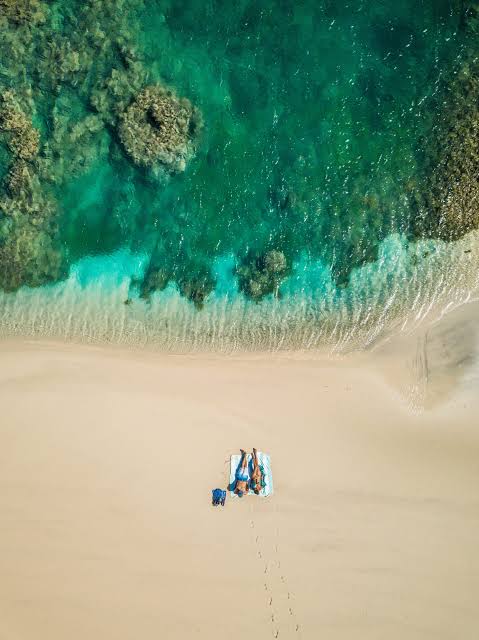
The phrase "private oasis" gets used loosely across the luxury travel industry — often meaning little more than a resort with a high fence and a low guest count. But the destinations that actually earn the description share something more specific: privacy that comes from ecology and geography rather than exclusion alone, paired with culture and ritual that give the isolation somewhere to lead.
Privacy Built Into the Landscape, Not Imposed On It
The most convincing private oases aren't sealed off from their surroundings — they're built into them. Benguerra Island's residences, formed from sand and seawater rather than shipped-in materials, read as an extension of the dunes they sit within. Nosy Ankao shares its island with two working fishing villages rather than displacing them. In both cases, privacy is a function of remoteness and scale, not a wall.
Wellness That Comes From Somewhere Specific
A genuine wellness element draws on the place itself rather than importing a generic spa menu. Elementa Africa pairs each leg of its circuits and journeys with an EarthTrace botanical ritual rooted in the region's own plant traditions — a Fynbos Youth Elixir at first light on Benguerra Island, a Root of Renewal tea brewed slow in the Nosy Ankao evening. The ritual is tied to the geography, not bolted on afterward.
Culture as Substance, Not Backdrop
The strongest private oasis experiences also treat local culture as substance rather than scenery — a guided visit with Benguerra's resident artisans, a day among Nosy Be's Sakalava sacred sites, arranged only by request and never staged for guests who didn't ask. That distinction — between culture offered and culture performed — is often what separates a true private oasis from an isolated resort wearing the label.
Elementa Africa's Salt & Culture journey was built around this exact combination: two private oases, one shaped by salt and one by story, joined by a single private flight into a single ten-night arc.