Peer-reviewed research on nature exposure has repeatedly measured real, physical changes in the body — lower cortisol, lower blood pressure, slower heart rate — after time spent in natural environments compared to urban ones. A wildlife safari doesn't deliver a single dose of that effect; it layers earth, water, fire and open air together over days at a time, which is closer to what the research is actually measuring than a single walk in a city park.
What the research actually shows
One of the most cited studies in this field, led by Roger Ulrich in 1991, tracked how quickly people recovered from stress while viewing natural scenes versus built environments. Participants shown nature recovered within about five minutes; those shown urban scenes had still not fully recovered after ten. A separate study by Tsunetsugu and colleagues in 2013 found that time in forested landscapes produced measurably lower diastolic blood pressure, lower heart rate, and higher parasympathetic nervous activity — the body's rest-and-recovery system — compared to urban settings.
Since then, multiple systematic reviews and meta-analyses have pooled dozens of individual studies together, and the pattern holds: heart rate, blood pressure, and self-reported stress consistently improve with nature exposure. Cortisol, the body's primary stress hormone, shows the same direction of effect in most studies, though results here are somewhat more mixed than the other measures — a nuance worth being upfront about rather than glossing over.
Why a safari isn't just "more of the same"
Almost all of this research is conducted in forests, parks, and green spaces near cities, not on safari specifically — that distinction matters, and we won't overstate it. But the mechanism being measured is sustained sensory immersion in a natural environment, away from built, urban stimulus. A multi-day safari across genuinely different landscapes — a dry riverbed, a flooding plain, open grassland, a lakeshore — extends that same exposure across days rather than minutes, and across a much wider range of natural sensory input than a single park visit can offer.
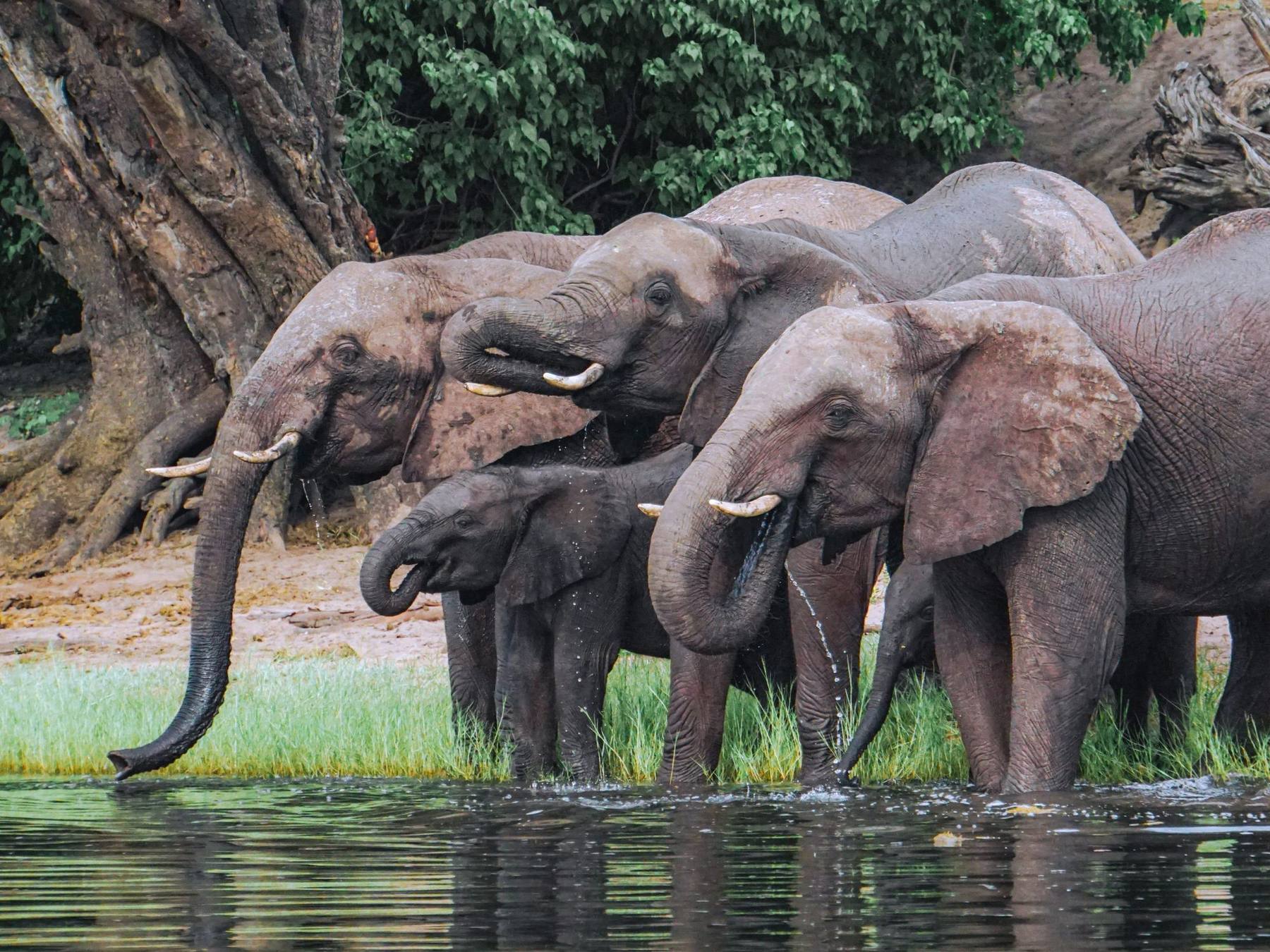
It also adds something the underlying studies don't specifically measure: attention. Tracking a fish eagle's flight path, or watching an elephant herd's fluid, unhurried movement across a floodplain, holds focus in a way that differs from simply sitting in a garden. Whether that specific kind of engaged attention adds an additional wellness benefit beyond passive nature exposure is a genuinely open question in the research, not yet a settled one.
The honest caveat
None of this makes a safari a medical intervention, and we're not claiming otherwise. What the evidence supports is more modest and, we think, more useful: spending sustained time in a genuinely wild, natural setting produces measurable physiological changes associated with lower stress, and a multi-country safari circuit is simply one of the more complete ways to do that for an extended stretch of time.
Frequently Asked Questions
Is there real scientific evidence that nature reduces stress? Yes. Multiple peer-reviewed studies and meta-analyses have measured lower cortisol, lower blood pressure, lower heart rate and higher parasympathetic nervous activity after exposure to natural environments, compared to urban settings.
How quickly does nature exposure affect stress levels? Research by Ulrich and colleagues found that participants viewing natural scenes recovered from stress within about five minutes, while those viewing built environments had not fully recovered after ten minutes.
Does a wildlife safari offer more than a walk in a park? The underlying research is mostly conducted in forests and green spaces rather than safari settings specifically, but a multi-day wildlife safari layers sustained, immersive nature exposure across water, earth, fire and open air simultaneously, rather than a single short session.
Is the evidence for nature and wellness completely settled? Not entirely. Systematic reviews note that while heart rate, blood pressure and self-reported stress consistently improve with nature exposure, cortisol results are more mixed across individual studies, and researchers continue to refine exactly how much exposure delivers the strongest effect.
Sources: Ulrich et al. (1991), Journal of Environmental Psychology; Tsunetsugu et al. (2013), Landscape and Urban Planning; forest therapy meta-analysis, National Library of Medicine; nature exposure and health review, National Library of Medicine.