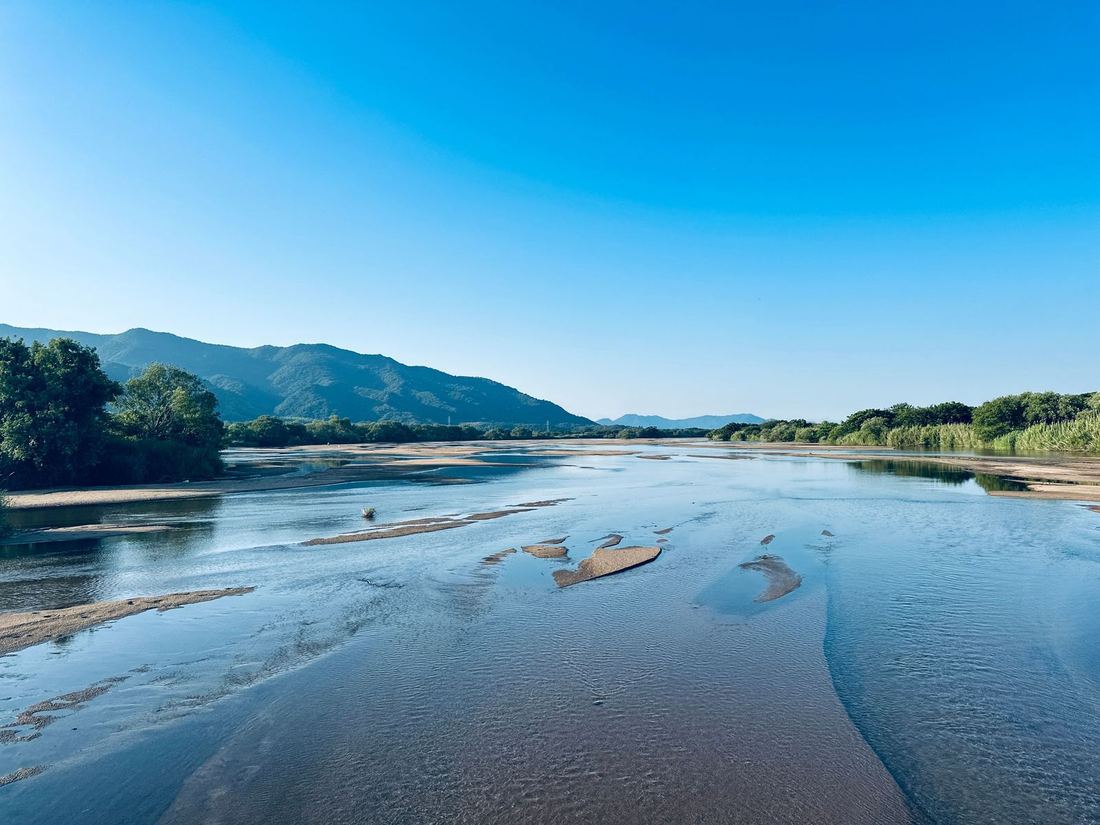
African Parks, the Barotse Royal Establishment and Zambia's Ministry of Tourism have renewed their long-term partnership managing Liuwa Plain National Park, extending a relationship that began nearly 25 years ago. The renewed mandate now includes part of the Upper West Zambezi Game Management Area, expanding protection for the migratory routes that sustain Africa's second-largest wildebeest migration.
Why this renewal matters
For African Parks, Liuwa Plain holds particular significance: it was the organisation's first management partnership anywhere, beginning with a transitional agreement in February 2003 and formalised the following year with the Barotse Royal Establishment and the Government of Zambia. Over more than two decades since, that partnership has become one of the most cited examples on the continent of wildlife recovery running alongside, rather than against, the rights of the people who live on the land.
The newly incorporated portion of the Upper West Zambezi Game Management Area matters ecologically as much as politically — it's a critical corridor for the seasonal movement of the tens of thousands of wildebeest that make up Liuwa's migration, the second-largest of its kind in Africa after the Serengeti-Mara system.
One of Africa's oldest conservation stories
Liuwa's protection doesn't start with African Parks. It dates to the early 1880s, when Lubosi Lewanika, the Litunga (king) of Barotseland, declared the plains a protected hunting ground and appointed his own people as its custodians — a conservation lineage that predates almost every formal national park system on the continent. Zambia's government took over formal management in 1972, and the Barotse Royal Establishment has remained a central partner in the landscape's governance ever since.
That history is still visibly alive today: an estimated 12,000 people, primarily Lozi residents, continue to live within the park's boundaries, making Liuwa one of Africa's clearest working examples of a shared landscape where community rights and wildlife recovery aren't treated as competing goals.
What's actually recovered
Before the 2003 partnership began, Liuwa's wildlife had been reduced sharply — at one point down to a single known lioness, "Lady Liuwa," who became something of a symbol for the park's isolation. Since then, lion numbers have rebounded into a healthy, breeding population, and wildebeest, zebra, cheetah, hyaena and African wild dog all persist in numbers that make Liuwa one of the more understated wildlife strongholds in Southern Africa — understated largely because it remains genuinely remote, without the visitor volume of Zambia's better-known parks.
Why we're covering this
Liuwa Plain isn't currently part of Elementa Africa's own circuit, but it sits within the same country — and the same conservation tradition — as South Luangwa, the Zambian leg of our journey. Stories like this renewal are exactly why we believe Zambia rewards travellers who look past its single best-known park: the country's conservation record runs far deeper than any one destination, and Liuwa's 25-year partnership is one of the clearest examples of it working.
Frequently Asked Questions
What is the Liuwa Plain partnership renewal? African Parks, the Barotse Royal Establishment and Zambia's Ministry of Tourism have renewed their long-term agreement to jointly manage Liuwa Plain National Park, extending a partnership that began nearly 25 years ago in 2003.
What makes Liuwa Plain's wildlife migration significant? Liuwa Plain hosts Africa's second-largest wildebeest migration, with tens of thousands of wildebeest moving across the plains each year, second only to the Serengeti-Mara migration.
Why is Liuwa Plain's conservation history significant in Africa? Liuwa's protection dates to the early 1880s, when King Lubosi Lewanika of Barotseland appointed the Lozi people as custodians of the landscape, making it one of the oldest continuous conservation histories on the continent, predating most formal national park systems in Africa.
Do people still live within Liuwa Plain National Park? Yes. Approximately 12,000 people, primarily Lozi residents, live within the park's boundaries, making Liuwa one of Africa's most established examples of people and wildlife sharing a single protected landscape.
Photography credit: Marcus Westberg / African Parks. Source: African Parks on Facebook.